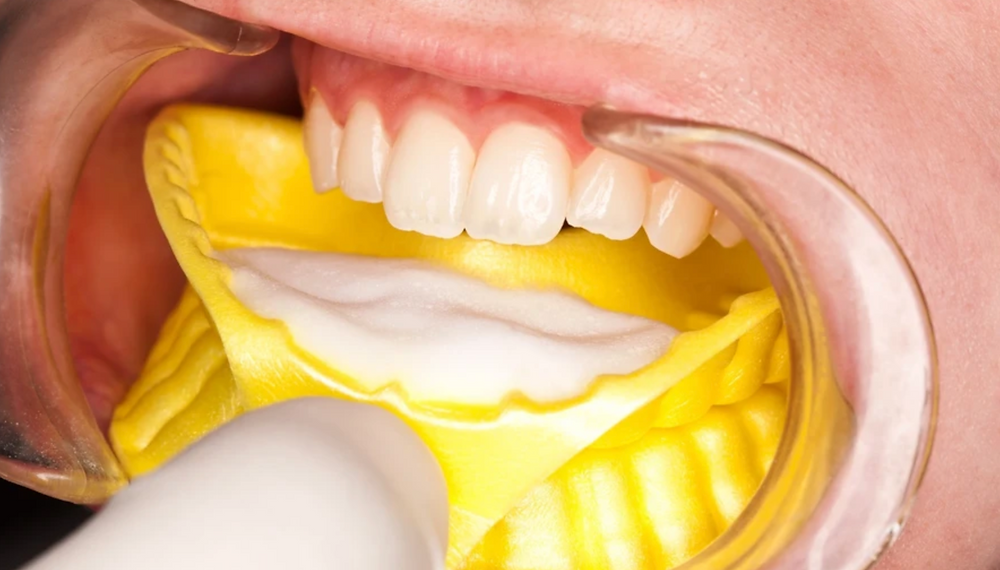
Fluoride Treatment is a technique carried out by dental hygiene professionals to protect teeth and minimise the risk of cavities. These treatments involve placing an excessive amount of fluoride straight onto the tooth structure, greatly improving their health and durability.
Fluoride Treatments are especially effective for individuals who have a high risk of tooth decay. Fluoride symptoms like dry mouth, weak enamel and dental crowns lead to the path of Fluoride Therapy. At House of Dontics, Fluoride Treatment in Ahmedabad is performed under the guidance of experts to achieve the highest possible success rate. This treatment is usually undertaken by kids because they have a high chance of cavity development. It is also known as Kids Dental Treatment.
Benefits
- Strengthens enamel against decay.
- Quick and painless application.
- Ideal for kids, teens, and adults.
- Complements daily brushing and flossing.
Benefits
Fluoride Treatment is a process where a natural mineral called fluoride is applied to help strengthen enamel and prevent cavities. It can be done in the form of gels, foams, and varnishes.
Fluoride Treatment helps repair enamel by replacing lost minerals. It reduces the rate at which enamel demineralises and also reduces the growth of harmful oral bacteria, reducing the amount of acid produced.
All age groups of individuals can benefit from Fluoride Treatment(children, adults and elderly). Individuals with dry mouth and high sugar diets could also consider this treatment for better dental health.
Yes, Fluoride Treatment is considered a very safe option, if applied in an appropriate amount by professionals. The amount is well known to the professional well in advance, they will always try to minimise the risk and maximise the benefits.
Fluoride Treatment is a very safe procedure, but there are always minimal effects of any treatment, depending upon your condition. Here you might face mild discomfort, which is completely fine and normal.
The frequency of Fluoride Treatment depends upon an individual condition and expectations. In most of the cases, it is recommended every 3, 6, or 12 months. Those at higher risk for cavities might need more frequent applications.