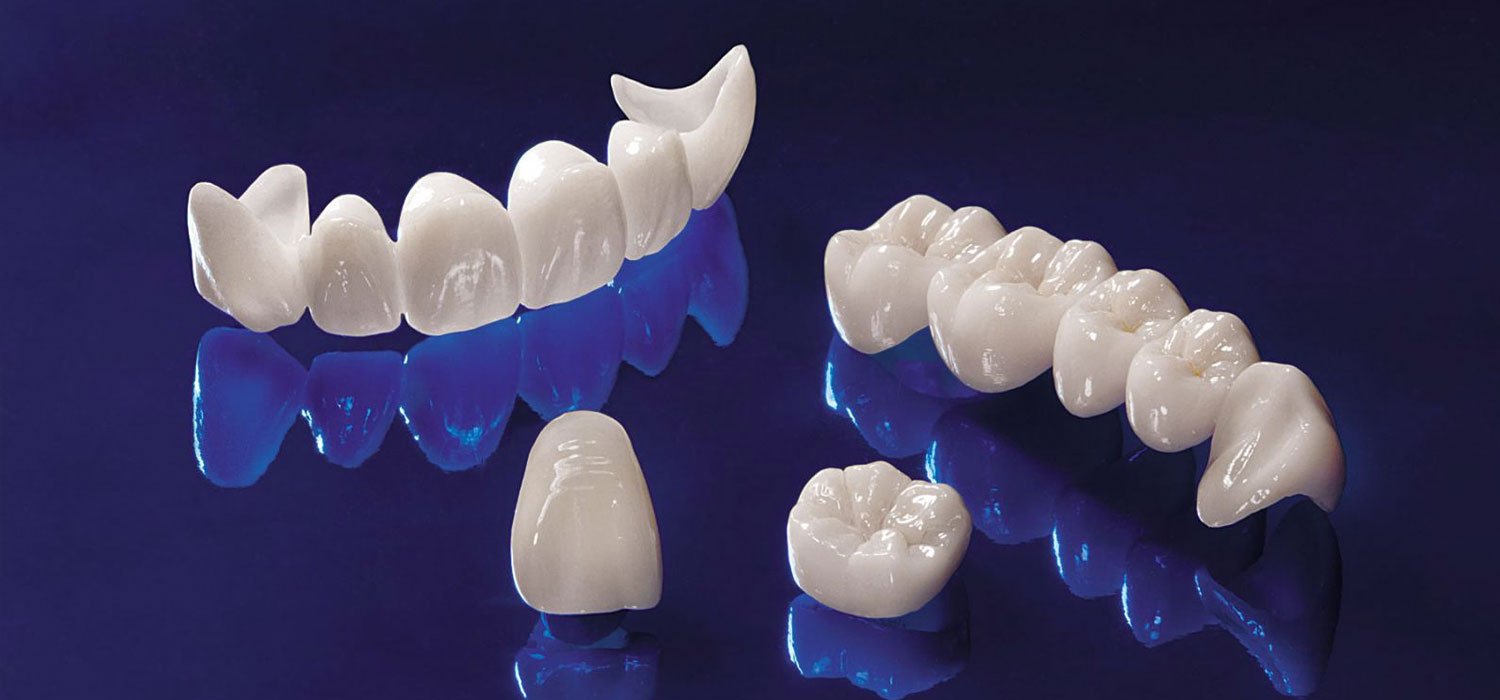
A Dental Crown functions like a cap for the tooth, restoring its shape, size, and function. It covers decaying and damaged teeth. If you have a lost tooth due to decay or damage, you might consider getting a Dental Crown. Teeth Crowns can be used for a variety of reasons, including cusp loss and damaged teeth.
On the other hand, a Dental Bridge is a combination of multiple connected crowns. It is used to fill the gap left by missing teeth. It helps prevent remaining teeth from shifting out of place, which can lead to more dental issues.
At House of Dontics, we provide the Best Dental Crowns and Bridges in Ahmedabad to help enhance the appearance by restoring the natural smile, maintaining natural functioning and durability, and providing preventive care to the applicant. Dental Bridge and Crown are essential methods in modern dentistry, as they help maintain dental health and appearance.
Crowns and Bridges Care Plan.
- comprehensive restorative evaluation
- digital scans and shade selection
- tooth preparation and impressions
- temporary crown or bridge for comfort
- precision lab fabrication
- final cementation and bite adjustment
- home care guidance and follow-up
Key Benefits.
A Dental Crown is a cap-like structure that usually covers a damaged decayed, or discoloured tooth to restore its shape, size, strength, and appearance. On the other hand, a Dental Bridge is a prosthetic device used to replace one or more missing teeth. It is a combination of two or more crowns.
A Dental Crown is needed to protect a weak tooth, restore an already broken tooth, support it, cover dental implants or for cosmetic results. A Dental Bridge is used to replace one or more missing teeth and prevent the remaining teeth from drifting out of position.
Dental Crowns and Bridges can last for 5–15 years, depending upon the material used in the procedure and the post-care instructions given by the dentist.
The process of getting a Dental Crown can be completed in 2 dental visits. The first visit will consist of an examination and the placement of a temporary crown. The second visit includes removing the temporary crown and fitting and permanently cementing the permanent crown.
It is not usually a painful procedure, as it involves the use of local anaesthesia to numb a certain area. You might experience some discomfort or sensitivity afterwards, which is completely normal.
Maintaining basic oral hygiene like brushing, flossing, and rinsing will help you attain better results. You should also visit your dentist regularly for checkups and cleanings. And lastly, be on a healthy diet to prevent damage to the bridge.